

The elevated railway turned park opened today
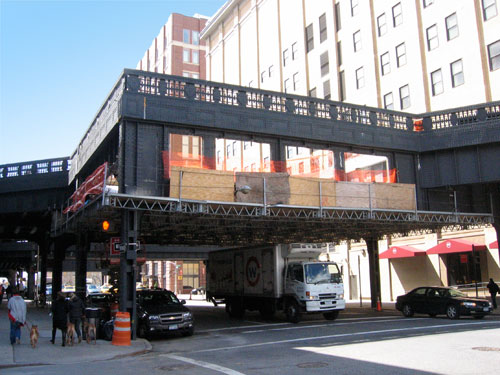
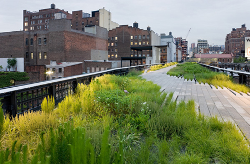 Section 1 of the High Line (from Gansevoort Street to 20th Street) opened today: Tuesday, June 9, 2009.
This fact is nearly a miracle when you consider not only the idea of turning an abandoned New York City elevated railway into a public park and all of the hurdles involved to make it possible, but it is especially amazing that the project was built to such a high quality of design and execution.
The design, inspired by the melancholic, found beauty of this postindustrial ruin which was reclaimed by nature, is led by landscape architect James Corner Field Operations, with Diller Scofidio + Renfro Architects. The landscape is designed by Field Operations with the consultation of the master Dutch planting designer Piet Oudolf. The reinterpretation of this urban relic imagined by James Corner Field Operations and the design team is a brilliant blend of preservation, innovation, conservation, restoration, and orignal modern design.
Lead designer/landscape architects: James Corner Field Operations
Architects: Diller Scofidio + Renfro Architects
Planting specialist: Piet Oudolf
Lighting: L’Observatoire International
Link: The High Line
Article: NY Times - Renovated High Line Now Open for Strolling
[photos, video, interactive]
Book: Designing the High Line: Gansevoort Street to 30th Street
Related: The Standard NYC (L+L 4/9/2009)
Related: "Down-to-Earth Masterpieces of Public Landscape Design" (L+L 5/5/2005)
Location: L+L Maps - The High Line

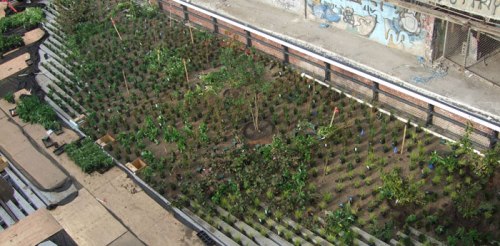
The High Line's plantings are inspired by the self-seeded landscape that grew on the out-of-use elevated rail tracks during the 25 years after the trains stopped running. Plants were chosen with a focus on native species with an eye for their hardiness, sustainability, and textural and color variation. Many of the species that originally grew wild on the High Line's rail bed are incorporated into the new park landscape. The 210 species in Section 1 bloom from late January to mid-November.

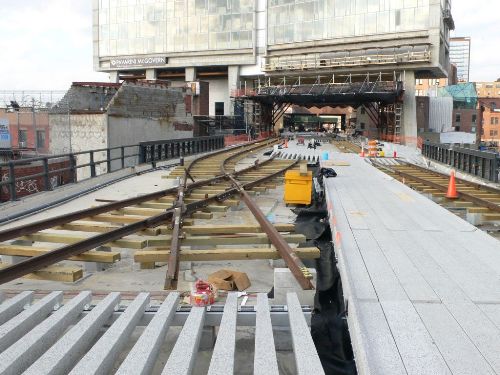
The design, while modern and structurally and aesthetically about as distant from Olmsted as possible, is in many ways a distillation of what an old fashioned an urban park is meant to be; part nature, part recreation space, part public space, and part refuge. It is a gift to the community, and an outdoor space for living. But here it is wedged right into the grit of the city.
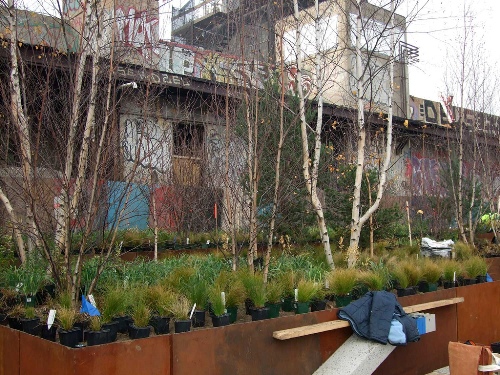
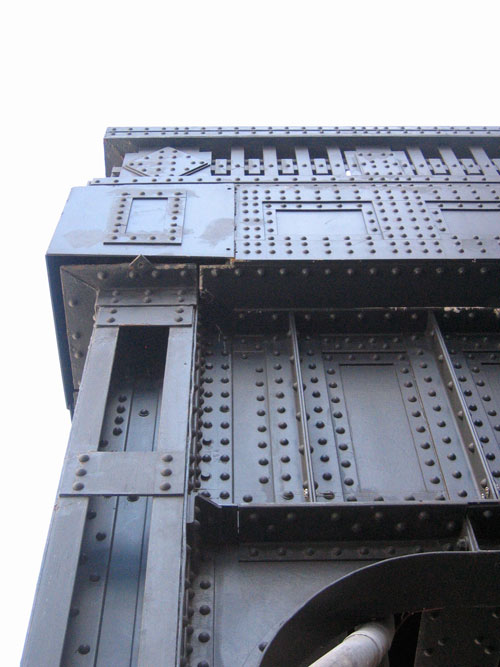
The design skillfully balances the preservation of the original elements of High Line while not treating it too preciously. Decay and irregularities are embraced. There is no "starchitecture" here, just good, thouhtful design. Certain found conditions have inspired reconceived and transformed spaces in the city such as the grandstand-like plaza above 17th Street and 10th Avenue with its windows framing views of the traffic below. Graffiti covered walls and jumbled erector-set-like urban assemblages merge with the landscape forming gritty yet sublimely beautiful settings unlike any other park.
View Land+Living Map in a larger map
Nefertiti Egypt fine antique reproduction furniture, French, hotel furniture, hotel renovation supply