

Interestingly, the English pavilion provoked mixed reactions from various critics... and all because London had been replaced by Sheffield?!
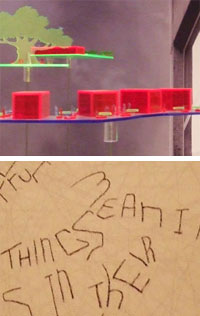 Lately I have come across some interesting articles regarding the 10th Architecture Biennale in Venice (2006), its subject being ‘Cities’, and found myself profoundly amused at how criticised the English pavilion (in particular) had been for lacking in ‘real architecture' and 'architects’ work' especially.
 It was particularly surprising to realise how little perception of the bigger picture even knowledgeable critics could have.
So we approached its exhibition, based about the city of Sheffield, knowing that for the first time a conscious decision had been taken to move away from London.
Link: LaBiennale
Link: VeniceSuperBlog
The first interesting move was how the entrance to the pavilion had been moved to the back, which I am sure may have left some visitors puzzled over this strange reason, no doubts interpreted to the English eccentrics, but rightly and cleverly so, as I found out, as the back entrance is the only entrance possible to the pavilion for disable visitors.
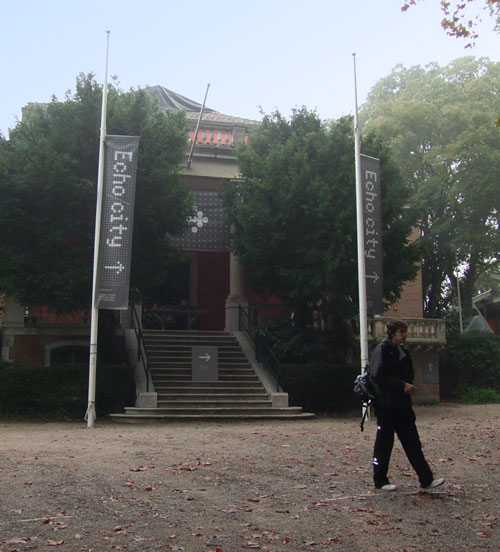
I found this architectural and psychological shift already appealing in understanding an Architecture of the human body and not solely of the aesthetics… we all ‘use’ buildings indeed, but how differently!
As we entered, a photomontage view of Sheffield welcomes us, portraying a busy, eclectic as well as artistically exaggerated view of the city. I liked the playful tone in which this view showed amongst various ‘beacons’ the architecture of the 1960s associated with troubled social issues, suggesting that cities are made up of many different facets: the good, the bad and the ugly... which produces unique characteristics to each cities and makes them different and recognizable from each other.
Too often we see, especially in exhibitions where it is easy to mask or polish the truth, a glorified and aesthetically isolated architecture from its surroundings, which does not give us any indication of how this will interact with its users (locally and globally) or how it may affect, positively or negatively, the social issues of its context.
The English pavilion is divided in small rooms one leading into the other, and this 10th exhibition moved through these rooms from the large scale of the city to the human scale of its citizens.
The curator, Head of the Sheffield Architecture School, collaborated predominantly with artists in creating a diverse representation of the city, hence its title "Echo Cities." In the first room Sheffield was mapped photographically, as artists traced lost objects along Sheffield’s streets, providing thus one reading keys to the city’s built character, while keeping us aware of its human scale.
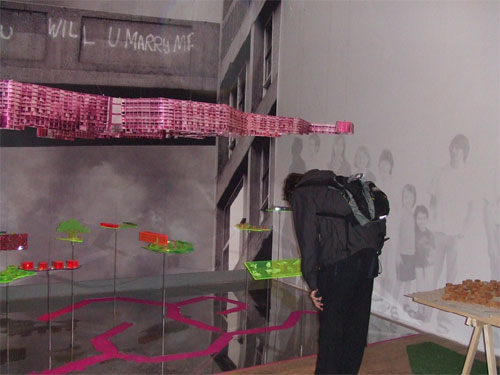
The second room presented us the famous, or notorious depending from which angle you ‘look’ at it, "Park Hill" estate and how even badly perceived architecture is still turned human and ‘poetic’ by a young love graffiti “I love you will you marry me?” to which even the most sceptical viewer will turn a smile.
Models of other two proposed architectural interventions, the Foxhill residential scheme by Mecanoo Architects as well as the first Sauerbruch Hutton's scheme in England, further fill the room and provide a glimpse on how Sheffield is planning to move forward from its glorious, although nowadays decadent, historical steel identity.
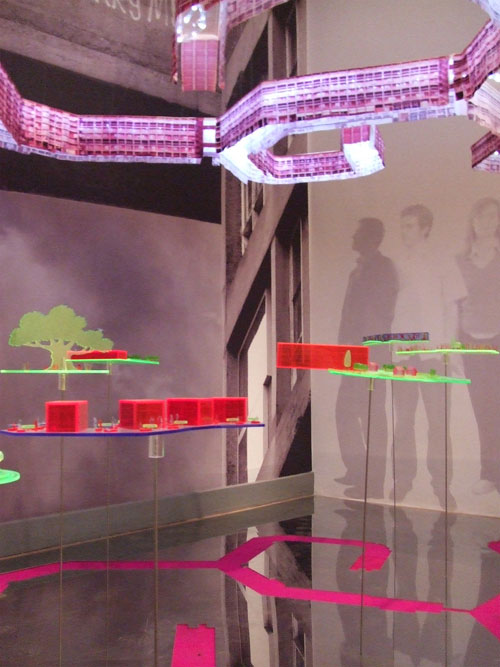
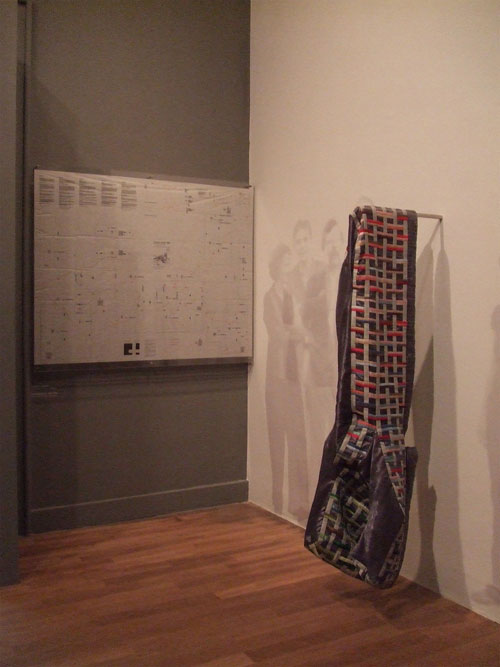
In the central room the visitor became part of a landscape of objects modelled at various scale and these became in turn part of the 1:1 world by a clever use of cameras and projections, which merged the visitors moving across the room and the visitors manipulating the modelled objects then projected onto the opposite wall. A playful and surprising installation exploring and engaging on how architecture and humans relate and work with each other.
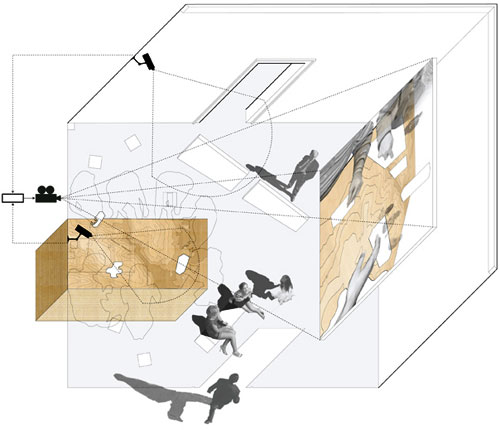
Image Credits to Paul Bower
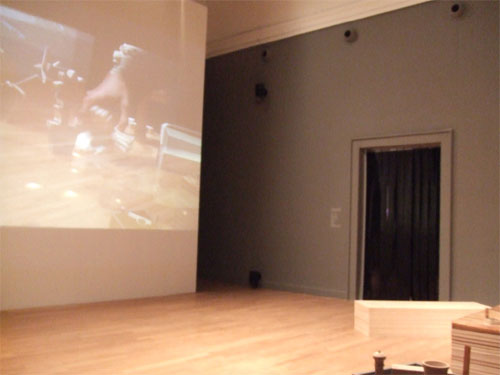
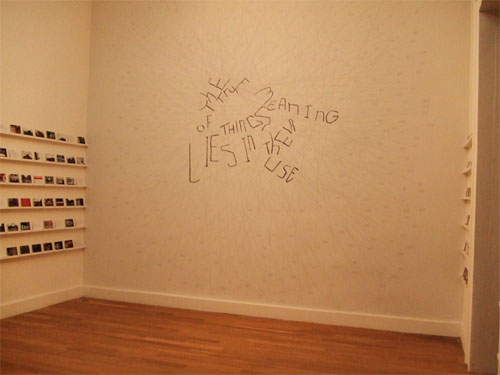
The final room we entered was filled with objects at 1:1 scale, found and collected by Sheffield citizens as well as Venice’s visitors. These filled and crammed the room from where thoughts, writing and photos presented a picture of a ‘living’ city as it really is, represented by the people who live in it every day and possibly love and hate their city on a daily basis, as we all do in our respective cities, but similarly make us feel belonging because our cities makes us different and distinct from other global cities and their citizens.
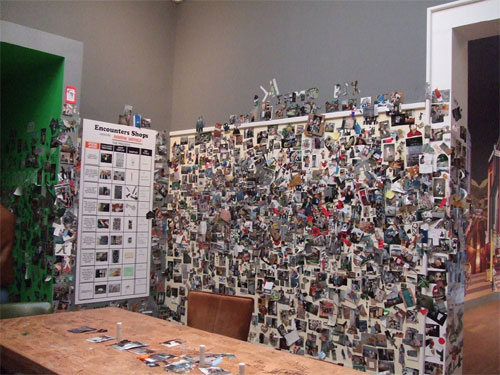
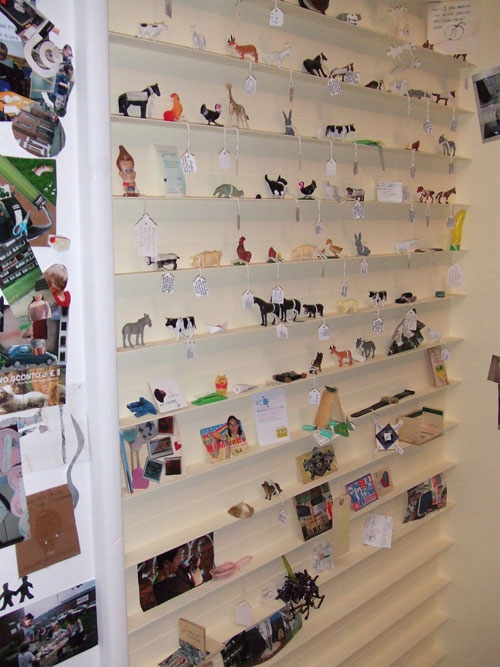
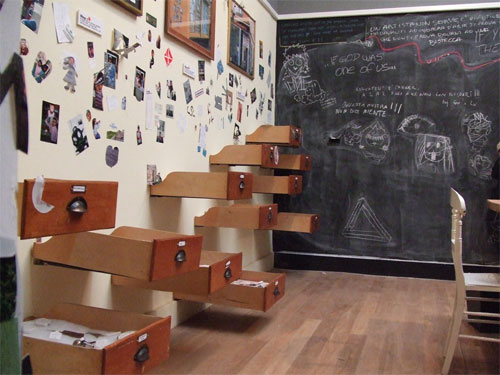
So I can only conclude that I was pleasantly surprised, contrary to many other visitors/critics, by the bold action of the curator in producing a view and an understanding of the city of Sheffield via the eyes of its citizens, and provided thus a powerful reminder that what we do as architects in the so called ‘built environment’ affects, ultimately, the lives of the every day citizens; because unfortunately lately we seem to be accepting more and more mediocre architecture built in our cities, letting down the experience of their global citizens