

Architecture of Dublin
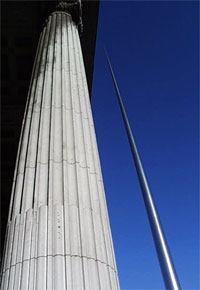 Getting back to Ireland as promised, let's take a look at some modern Irish architecture in Dublin. Although Adriean did not tag along with my wife and I on our trip... at least not that I know of... he was feeling the Irish architecture vibe as well with his post highlighting some of this year's RIAI (Royal Institute of the Architects of Ireland) award winners.
Following is more of what I have seen in Dublin... I will sprinkle some comments in with the photos. For those who want to dig deeper, check out The Reflecting City. This site is part of a current mixed media exhibition detailing the urban transformation in Dublin over the past decade. The site allows you to delve into the history, present and future of city via an interactive zoned map. The site focuses on nine districts and provides related images, interviews, virtual tours and abundant information related to the community, planning and projects.
Link: The Reflecting City: The Reconstruction of Dublin
Reference: Seeing Éire [prologue] (L+L)
Reference: Seeing Éire [II] - Temple Bar (L+L)
Reference: RIAI Awards 2005 (L+L)
ABOVE: an image of old and new Dublin - The Spire of Dublin and the General Post Office on O'Connell Street.
Dublin is a city of great change and growth, a blending of old and new. It is an exciting time for Irish architecture and urbanism after many years of decay and destruction. Rising from the vestiges of a colonial British city, Dublin is an experiment in Irish urban space, and Ireland's architects have risen to meet the challenge. There is a conservative vein to the modern design in Ireland, but there is a strength that seems to reach into the Irish cultural subconscious and Irish architects are adept at operating skillfully within this social milieu. The diversity and mix of small and medium scale infill buildings, the preservation and adaptation of old structures, the creation of new public spaces, the strengthening of existing ordering systems and the attention to context is what makes the city work.
CHANGE IS VISIBLE EVERYWHERE IN DUBLIN
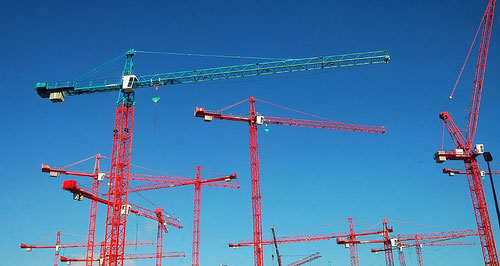
Image via shrapnel1
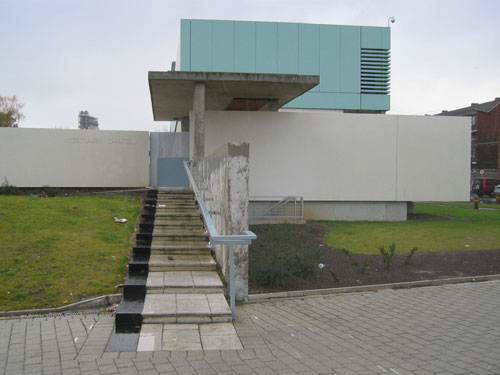
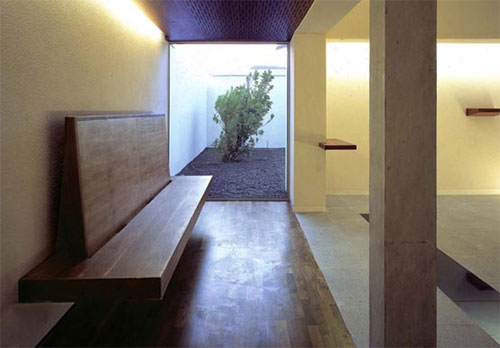
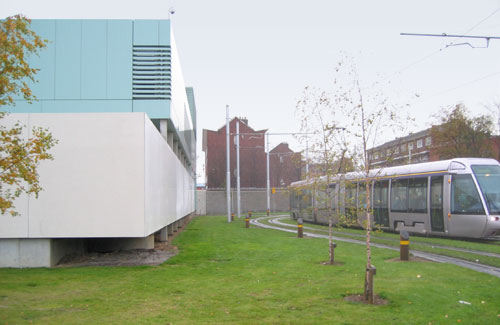
St. James’s Mortuary and Post Mortem Suite - St. James's, Dublin
Henry J Lyons and Partners Architects
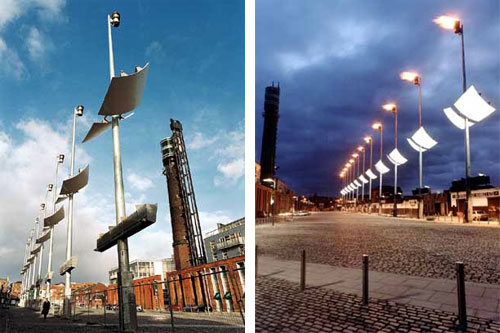
Smithfield Square Margadh na Feirme
McGarry Ní Éanaigh Architects
An international design competition was held to create a civic space out of an undistinuished open market space. A restrained stone paving design retains the historic character of the space. The addition of lighting masts toped by large gas lamps further define the large space and create a bold urban identity.
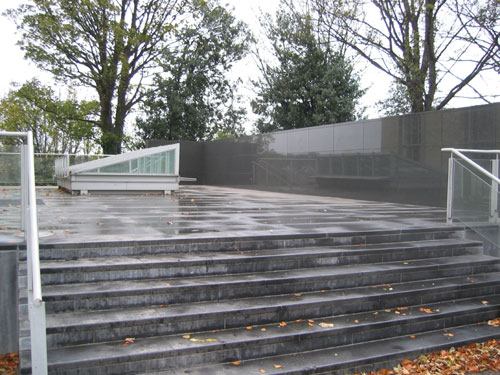
Deputy Masters House, Irish Museum of Modern Art - Royal Hospital Kilmainham, Dublin
Shay Cleary Architects
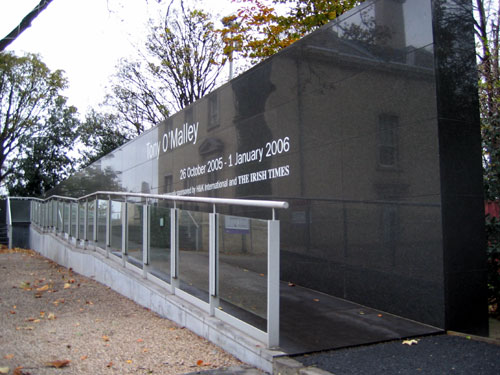
The wonderful contrast of old and new is something that Irish architects do well. I love how the historic building is reflected in the polished stone marquee wall.
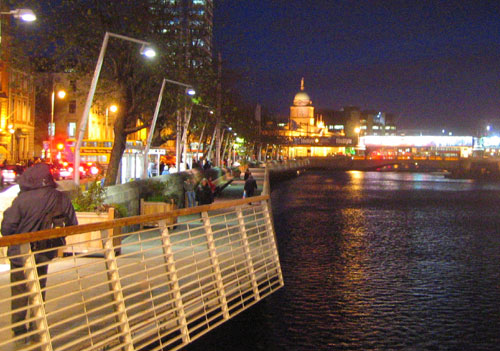
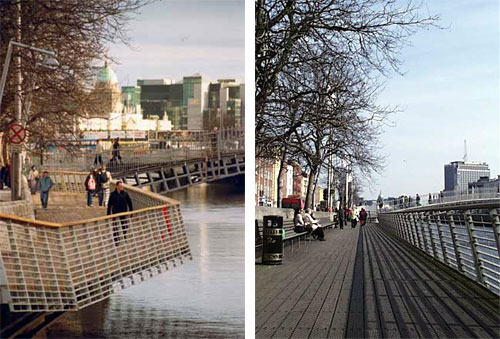
Liffey Boardwalk
McGarry Ní Éanaigh Architects
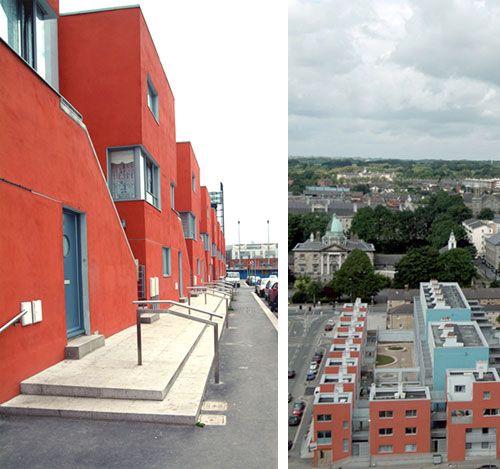
Queen Street Housing
Shay Cleary Architects
Regenerating of housing blocks from the 1960's and 1970's are common these days around Dublin. In this scheme, townhouse units in scale with the older housing in the surrounding neighborhood are placed at the periphery of the property to re-establish the street edge. The larger apartment blocks (painted bright blue and white in the photo below), which were built towards the middle of the block and once surrounded by a sea of lawn and parking and disconnected from the urban context, have been remodeled. Communal courtyard spaces are now formed between the old and new buildings.
Ussher Library - Trinity College, Dublin
McCullough Mulvin & Keane Murphy Duff
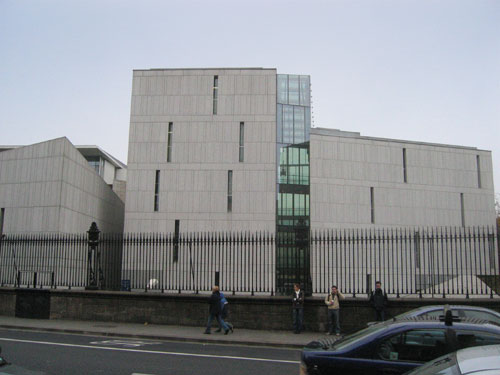
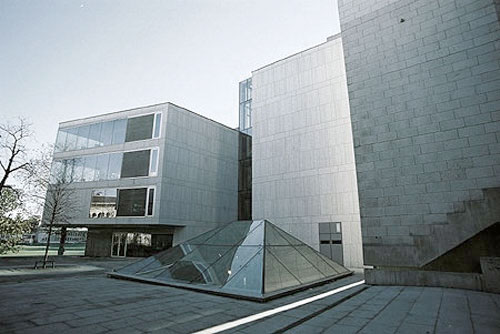
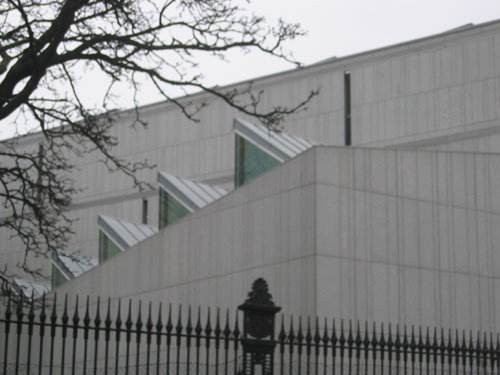
Mechanical Engineering Building - Trinity College, Dublin
Grafton Architects
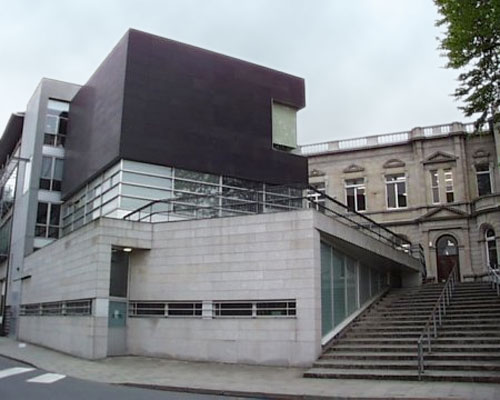
More examples of the treatment of old and new. In general, Ireland does not seem to be overly caught up in historicism.
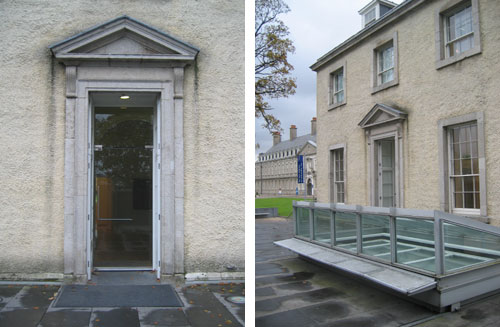
Kilmainham Gaol Museum
Architect unknown
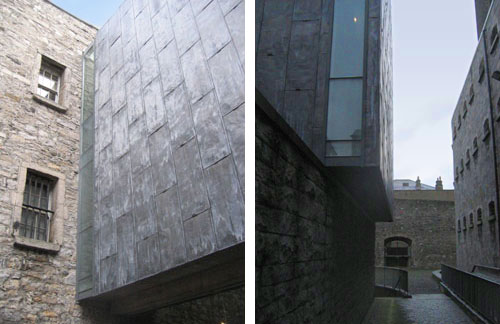
This addition is very subtle and sympathetic to the historic building to which it is attached. Original stone walls remain and new floors and walls are separated by glazing or metal grates to reveal the old structure against the new.
View Land+Living Maps in a larger map